
Parkinson’s care in Germany: Strongly positioned – yet not equally accessible everywhere
Germany is overall well-positioned in the field of neurology. This is also reflected in Parkinson's care. Established neurological expertise, guideline-based treatment, and growing multi-professional network structures support a high quality of care.
Many regions have experienced neurologists, specialized outpatient clinics and hospitals, therapists, and a growing number of structured care services. For patients, this means early, well-founded neurological assessment and a wide range of pharmacological and non-pharmacological treatment options.
Parkinson's research has made significant progress in recent years. This led in 2023 to a complete revision of the S2k guideline for the diagnosis and treatment of Parkinson's disease, with the aim of further improving clinical, outpatient, and inpatient care for people with Parkinson's. The guideline particularly emphasizes early, differentiated diagnosis and personalized therapy.
Another important step forward in Parkinson’s care is multiprofessional collaboration. Parkinson’s networks advocate for interdisciplinary cooperation and connect regional and national professionals and institutions across all disciplines involved in the care of people with Parkinson's disease.
Despite strong structures and ongoing progress, substantial challenges remain in providing care for patients – especially in rural areas. Access to specialized neurological care can vary depending on the region and may involve considerable waiting times and long distances. For those affected, this often means uncertainty, delays in adjusting therapy, and unnecessary burden.
I would welcome the broader use of innovative technologies to help provide high-quality care at scale. Wearables, in particular, can support more precise symptom assessment throughout the day, so that time during specialist appointments can be used as effectively as possible. Ideally, they can also give us an insight into symptom burden when we are unable to see patients regularly.
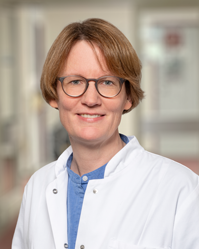
About PD Dr. Annette Rogge
PD Dr. Annette Rogge is a board-certified neurologist at Nordseeklinik Helgoland. Her career includes many years at the Segeberger Kliniken on the specialist ward for Parkinson’s disease and movement disorders. In the scientific field, she has worked at Kiel University, amongst others, within the research group of Prof. Dr. med. Daniela Berg on the ethics of patient counselling in the early stages of Parkinson's disease.
Sources:
Presseinformation der Deutschen Gesellschaft für Parkinson und Bewegungsstörungen (DPG) zur neuen Leitlinie zur Diagnose und Therapie der Parkinson-Krankheit, 20 November 2023, https://parkinson-gesellschaft.de/images/231121_DPG_PM_Neue_Leitlinie_Parkinson.pdf
Parkinson Netzwerke Deutschland e.V., https://www.parkinsonnetzwerke.de/
Kurzmeldung „heute im bundestag“ (hib), Gesundheit – Antwort – hib 722/2020, Versorgung von Parkinson-Patienten, 7. July 2020, https://www.bundestag.de/webarchiv/presse/hib/2020_07/704998-704998